

Introduction
It is often associated with allergic rhinitis and frequently begins in childhood, but it can appear at any age.
Symptoms
- Shortness of breath
- Wheezing
- Dry cough, especially at night or on exertion
- Feeling of tightness in the chest
- Breathing difficulties on exposure to allergens
- Waking up at night
- Tiredness due to poor-quality sleep
Causes
- House dust mites
- Pollen
- Pets
- Moulds
- Respiratory infections
- Air pollution
- Tobacco smoke
- Physical exertion
- Cold air
Diagnosis
- Detailed clinical history
- Respiratory examination
- Appropriate allergy tests (skin and/or blood)
- Lung function tests
- Assessment of asthma severity and control
Treatments
- Maintenance treatment with inhaled corticosteroids
- Bronchodilators as needed
- Allergen avoidance measures
- Treatment of associated rhinitis
- Desensitisation (allergen immunotherapy) in some patients
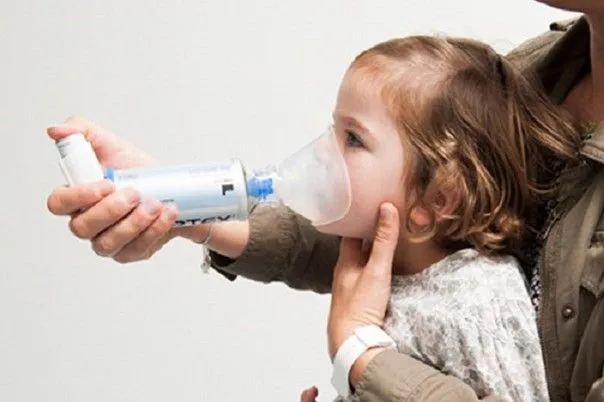
- Patient education (correct inhaler technique)
- well-controlled asthma
Management
To identify precisely which allergens are responsible
To adjust maintenance treatment
To prevent exacerbations
To prevent progression to severe asthma
Improve your quality of life in the long term