

Introduction
It is very often associated with allergic rhinitis and may be seasonal or persistent.
Symptoms
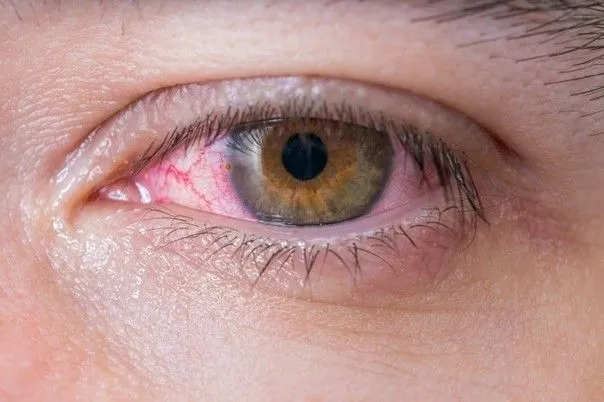
- Red eyes
- Intense itching of the eyes
- Clear, watery eyes
- Gritty or burning sensation
- Swollen eyelids
- Mild sensitivity to light
- Worse on exposure to the allergen
Causes
- Pollen (seasonal form)
- House dust mites
- Animal hair and dander
- Moulds
- Environmental irritants that make it worse (pollution, smoke)
Diagnosis
- Targeted history (seasonal pattern, associated rhinitis)
- Basic eye examination
- Ruling out infectious conjunctivitis
- Appropriate allergy tests to identify the allergen responsible
Treatments
- Avoiding the allergen where possible
- Antihistamine eye drops
- Anti-inflammatory eye drops
- Artificial tears
- Oral antihistamines if other symptoms are present
- Desensitisation in some persistent forms
Management
Confirm the diagnosis
Identify the allergens precisely
To tailor eye and systemic treatment
To prevent seasonal recurrences
To improve visual comfort significantly