

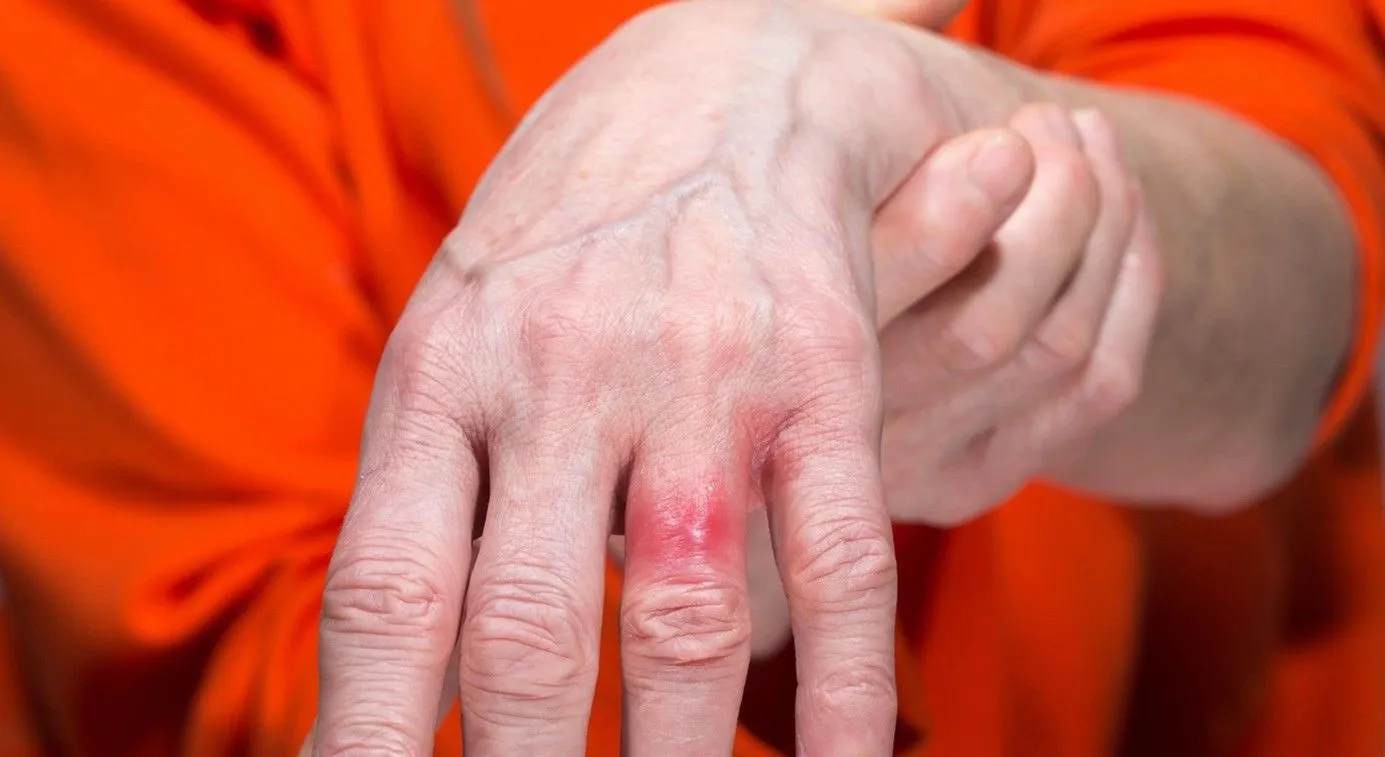
Introduction
It is usually a delayed allergic reaction, which can develop even after years of apparent tolerance.
Symptoms
- Localised redness
- Itching, sometimes intense
- Blisters or oozing
- Peeling
- Thickened skin in chronic cases
- Earlobes
- Wrists
- Abdomen (buttons, belts)
- Hands
Causes
- Nickel (the most common)
- Chromium
- Cobalt
- Jewellery, watches
- Buttons, zips
- Belts, glasses
- Tools, metal parts
- Implants or prostheses (in some cases)
- Prolonged contact
- Moisture and sweating
- Repeated friction
- Fragile, sensitive skin
Diagnosis
- A detailed medical history
- Clinical skin examination
- Patch testing with a metal series, which confirms the allergy and identifies the exact metal responsible
Treatments
- Avoidance of the metal responsible
- Replacement with hypoallergenic materials
- Topical treatments adapted to severity
- Skin barrier repair care
Management
Precise identification of the metal or metals responsible
Clear avoidance advice that is practical in everyday life
Adapting everyday objects
Dermatological and allergy follow-up if needed