

Introduction
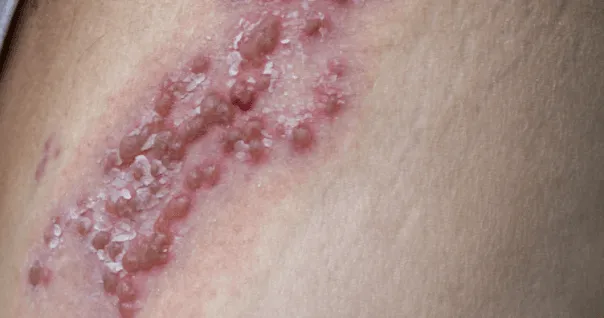
Genital herpes is a chronic viral infection caused mainly by herpes simplex virus type 2 (HSV-2) and, less often, by HSV-1. It is characterised by recurrent flare-ups of painful blistering lesions in the genital or perigenital area. After the initial infection, the virus remains dormant in the body and can reactivate from time to time.
Symptoms
- Clusters of blisters on a red base
- Painful ulcers after the blisters burst
- Local burning, tingling or itching
- Pain on passing urine
- Discomfort during sexual intercourse
- Possible swollen lymph nodes in the groin
- Fever and general malaise during the initial infection
- Recurrent episodes of varying severity
Causes
- Infection with herpes simplex virus (HSV-2 or HSV-1)
- Transmission through skin and mucosal contact, usually sexual
- Transmission possible even when no lesions are visible
- Triggers for recurrences
- stress fatigue fever weakened immune system
- stress
- fatigue
- fever
- weakened immune system
Diagnosis
- Clinical diagnosis in most cases
- Viral swab (PCR) from a recent lesion if needed
- Blood tests (serology) useful in certain situations (initial infection, testing for couples)
- Differential diagnosis with: other STIs aphthous ulcers inflammatory skin conditions
- other STIs
- aphthous ulcers
- inflammatory skin conditions
Treatments
- Aciclovir
- Valaciclovir
- Famciclovir
- Treatment of flare-ups
- Long-term suppressive treatment for frequent recurrences
- Painkillers if needed
- Appropriate local hygiene
- Avoiding sexual intercourse during flare-ups
- No specific device-based treatment
- Specialist medical care and patient education
Management
Dermatological or venereological care
Clear information on the chronic nature of the infection
Psychological support if the emotional impact is significant
Advice for the partner or partners
Regular follow-up in the event of frequent recurrences