

Introduction
Nickel is the most common cause, followed by chromium and cobalt. The lesions appear after repeated or prolonged contact with everyday metal objects or in a work setting.
Symptoms
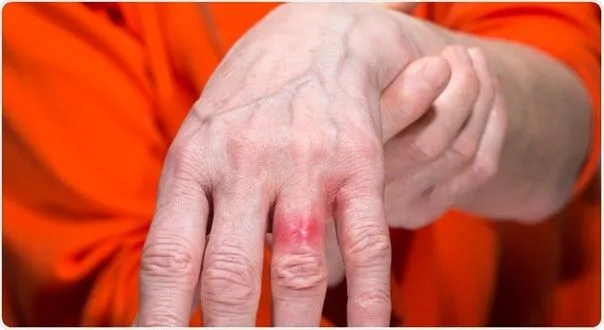
- Well-defined redness at the point of contact
- Intense itching
- Eczematous patches, small blisters
- Weeping and crusting in the acute phase
- Thickening and cracks in the chronic phase
- Common sites: hands, wrists, earlobes, neck, abdomen (buckles, belts)
Causes
- Nickel
- jewellery, watches, buttons, zips, phones
- Chromium
- cement, leather, industrial products
- Cobalt
- metal alloys, tools
- Prolonged or repeated exposure
- Often work-related (construction, industry, hairdressing)
Diagnosis
- Targeted history (items worn, occupation)
- Skin examination
- Patch tests including metals
- Reading at 48–72 hours
- Precise identification of the metal responsible
Treatments
- Strict avoidance of the allergenic metal
- Replacement with hypoallergenic materials
- Topical corticosteroids during flare-ups
- Emollients to repair the skin barrier
- Workplace adjustments if needed
Management
Identify the metal responsible
Prevent the lesions from becoming chronic
Avoid recurrences
Improve your quality of life in the long term