

Introduction
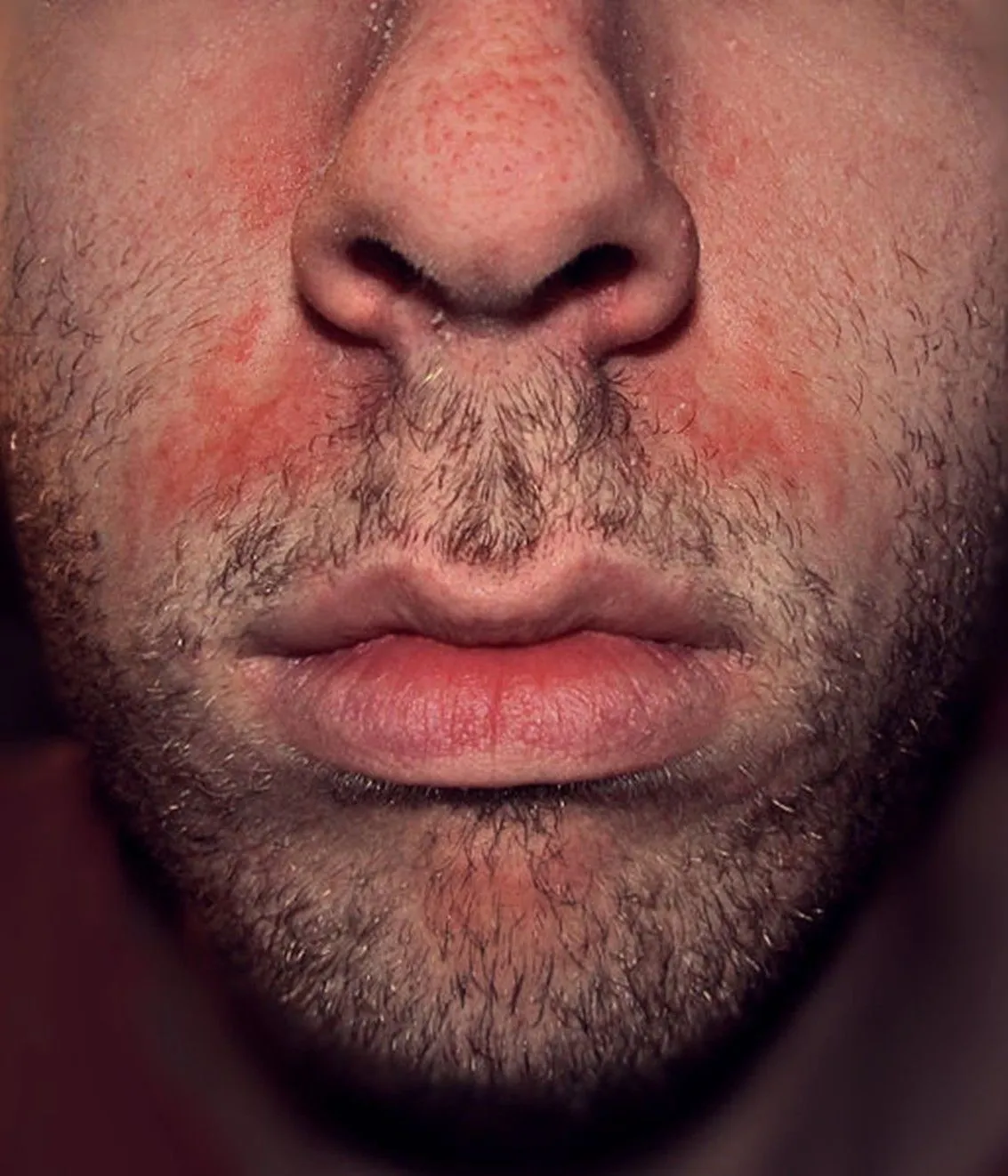
Seborrhoeic dermatitis is a chronic inflammatory skin condition linked to excess sebum production and an inflammatory skin reaction associated with overgrowth of Malassezia yeasts.
Symptoms
- Well-defined red patches
- White or yellowish scales
- Persistent dandruff
- Affects the sides of the nose, eyebrows, scalp
- Variable itching
- Chronic course with flare-ups
Causes
- Excessive sebum production
- Overgrowth of skin yeasts (Malassezia)
- Genetic factors
- Stress and tiredness
- Changes in climate
- Neurological or immune background (in some cases)
Diagnosis
- Clinical dermatological diagnosis
- Assessment of the typical distribution
- Ruling out other inflammatory skin conditions
- Further tests rarely needed
Treatments
- Topical antifungals
- Mild topical corticosteroids in short courses
- Medicated shampoos
- Suitable dermocosmetic skincare
- Medical LED therapy
- reduce inflammation
- Targeted phototherapy (selected cases)
- Skin-rebalancing protocols
Management
Treatment of flare-ups
Long-term maintenance strategy
Personalised dermatological follow-up
Combined medical and dermocosmetic approach