

Introduction
It develops after repeated exposure to an allergen that was previously tolerated. The lesions typically appear 24 to 72 hours after contact and can become chronic if the allergen is not identified.
Symptoms
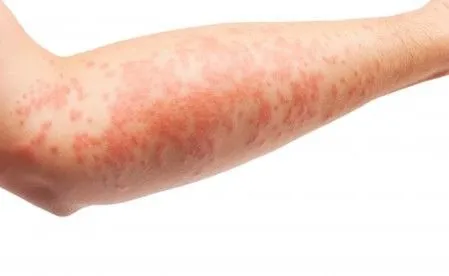
- Well-defined inflamed red patches
- Intense itching
- Blisters (vesicles) and oozing in the acute phase
- Crusts, cracks
- Thickening of the skin in the chronic phase
- Located at the site of contact (hands, face, eyelids, neck)
Causes
- Gradual sensitisation to an allergen
- Repeated, often daily, exposure
- Sometimes an associated atopic background
- Often work-related
- Metals
- nickel, chromium, cobalt
- Cosmetics
- fragrances, preservatives, dyes
- Chemicals
- glues, resins, solvents
- Topical medicines
- Rubber, latex, hair dyes
Diagnosis
- Detailed history (products used, occupation, hobbies)
- Targeted dermatological examination
- Patch tests (epicutaneous tests)
- Reading and interpretation at 48–72 hours
- Precise identification of the allergen responsible
Treatments
- Strict, long-term avoidance of the identified allergen
- Topical corticosteroids during flare-ups
- Emollients to restore the skin barrier
- Antihistamines to relieve itching
- Adjustments at work if necessary
Management
Identify precisely which allergen is responsible
Prevent recurrence and the condition becoming chronic
Adapt your skincare and daily habits
Improve your quality of life in the long term