

Introduction
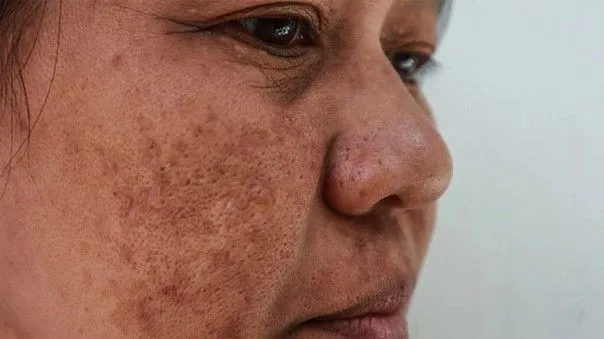
Melasma is a chronic pigmentation disorder characterised by brown or greyish-brown patches on the skin, mainly on the face. It mostly affects adult women and is closely linked to hormones, sun exposure and certain genetic factors. Although it is medically benign, its cosmetic and psychological impact can be significant.
Symptoms
- Brown or greyish-brown patches, often symmetrical
- Typical sites: forehead, cheeks, nose, upper lip
- Even or patchy pigmentation
- No pain or itching
- More pronounced after sun exposure
- Slow, chronic course
Causes
- Exposure to UV radiation and visible light
- Pregnancy (the ‘mask of pregnancy’)
- Hormonal contraception or hormone treatments
- Genetic predisposition
- Repeated skin inflammation
- Use of photosensitising cosmetics or perfumes
Diagnosis
- A clinical dermatological examination
- Analysis of the distribution and colour of the patches
- Wood’s lamp examination, to assess the depth of the pigment
- Ruling out other causes of hyperpigmentation (post-inflammatory, drug-induced, endocrine)
Treatments
- Topical depigmenting agents (azelaic acid, retinoids, medical combinations)
- Dermocosmetic skincare suited to the skin type
- Medical pigment lasers (specific, cautious protocols)
- Medical IPL under dermatological supervision
- Superficial or medium-depth chemical peels
- Medical LED (anti-inflammatory and regulating effect)
- Depigmenting mesotherapy
Management
An accurate assessment of the type and depth of the melasma
A step-by-step treatment strategy
Strict daily sun protection
Regular dermatological follow-up