

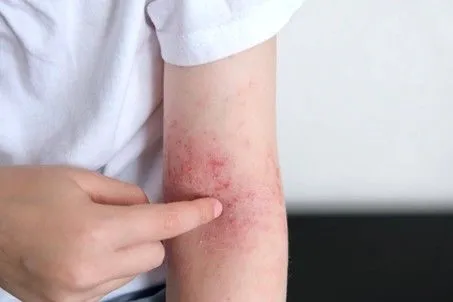
Introduction
It often begins in childhood but can persist into, or first appear in, adulthood. Atopic dermatitis is often part of an atopic background that also includes allergies, asthma or allergic rhinitis.
Symptoms
- Intense itching, often at night
- Dry, rough, sensitive skin
- Red, inflamed patches
- Weeping lesions in the acute phase
- Thickening of the skin (lichenification) in the chronic phase
- Common sites: face, inside of the elbows, backs of the knees, neck, hands
Causes
- Defective skin barrier
- Genetic predisposition
- Family history of allergy
- Excessive immune response in the skin
- Triggers
- stress, infections, dry climate, irritants, allergens
Diagnosis
- Medical history (how long, how it has evolved, family background)
- Dermatological examination
- Identification of aggravating factors
- Allergy tests if an associated allergy is suspected (food, respiratory, contact)
Treatments
- Daily emollients to restore the skin barrier
- Topical corticosteroids during inflammatory flare-ups
- Calcineurin inhibitors for certain areas
- Antihistamines to relieve itching
- Systemic or biological treatments in severe forms
- Therapeutic patient education
Management
Tailor treatment to your age and the severity of the condition
Reduce how often flare-ups occur
Identify triggers
Improve your quality of life in the long term