

Introduction
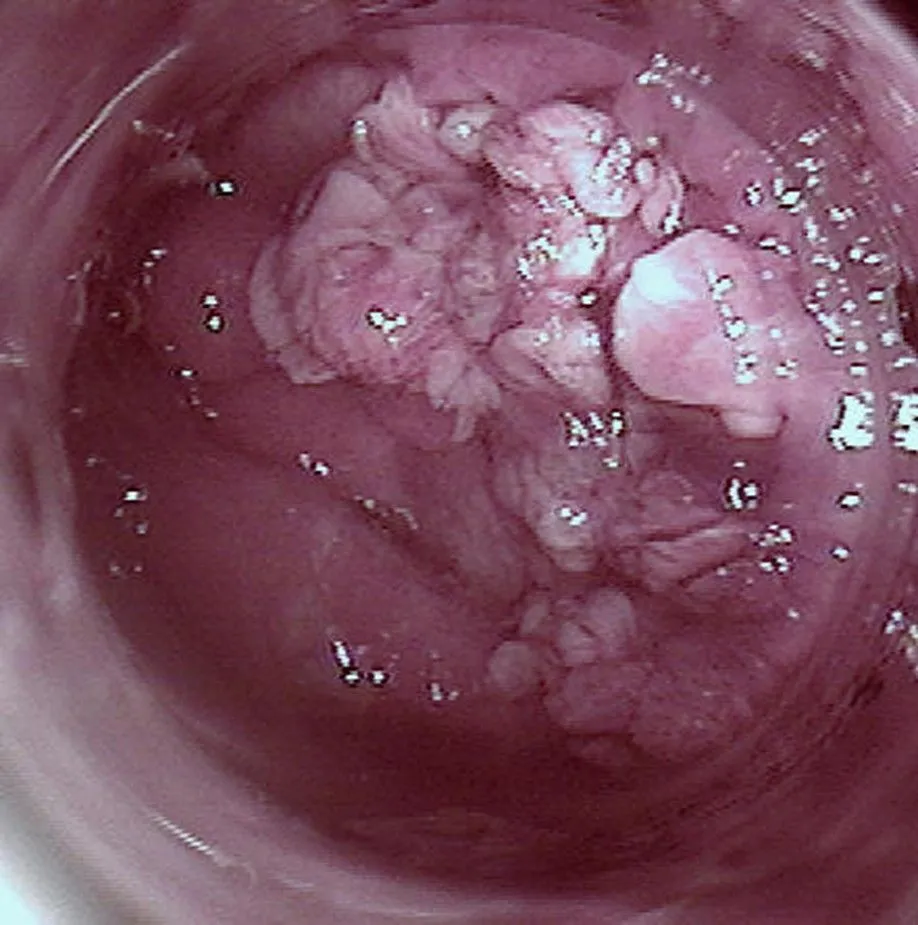
Genital warts (condylomata acuminata) are benign skin and mucosal lesions caused by certain types of human papillomavirus (HPV), mainly types 6 and 11. They are among the most common sexually transmitted infections (STIs). The lesions may cause no symptoms, or they may cause physical discomfort, cosmetic concerns or psychological distress.
Symptoms
- Small pinkish, skin-coloured or greyish growths
- Wart-like appearance, sometimes “cauliflower”-shaped
- Located on the genitals, in the anus or around the anus
- Itching or burning sensation
- Bleeding on friction (less common)
- Discomfort during sexual intercourse
- Sometimes no symptoms at all
Causes
- HPV infection (most often types 6 and 11)
- Transmission through skin and mucosal contact, usually sexual
- Contributing factors
- Unprotected sex Multiple partners Weakened immune system Minor local skin trauma
- Unprotected sex
- Multiple partners
- Weakened immune system
- Minor local skin trauma
- Variable incubation period
- from a few weeks to several months
Diagnosis
- Clinical diagnosis in most cases
- Full dermatological and/or genital examination
- Anoscopy or colposcopy depending on the location
- Biopsy only if the diagnosis is uncertain or the lesion is atypical
- HPV testing is not routinely needed for visible warts
Treatments
- Podophyllotoxin
- Imiquimod (stimulates the local immune response)
- Trichloroacetic acid
- Cryotherapy with liquid nitrogen
- Electrocoagulation
- Dermatological laser
- Surgical removal (extensive or resistant forms)
- Medical cryotherapy
- CO2 laser or vascular laser
- Precision electrocoagulation
Management
Specialist dermatological care
Treatment tailored to: the number of lesions the location the immune status
the number of lesions
the location
the immune status
Regular follow-up to detect recurrences
Information and screening for the partner or partners
HPV vaccination recommended for prevention