

Introduction
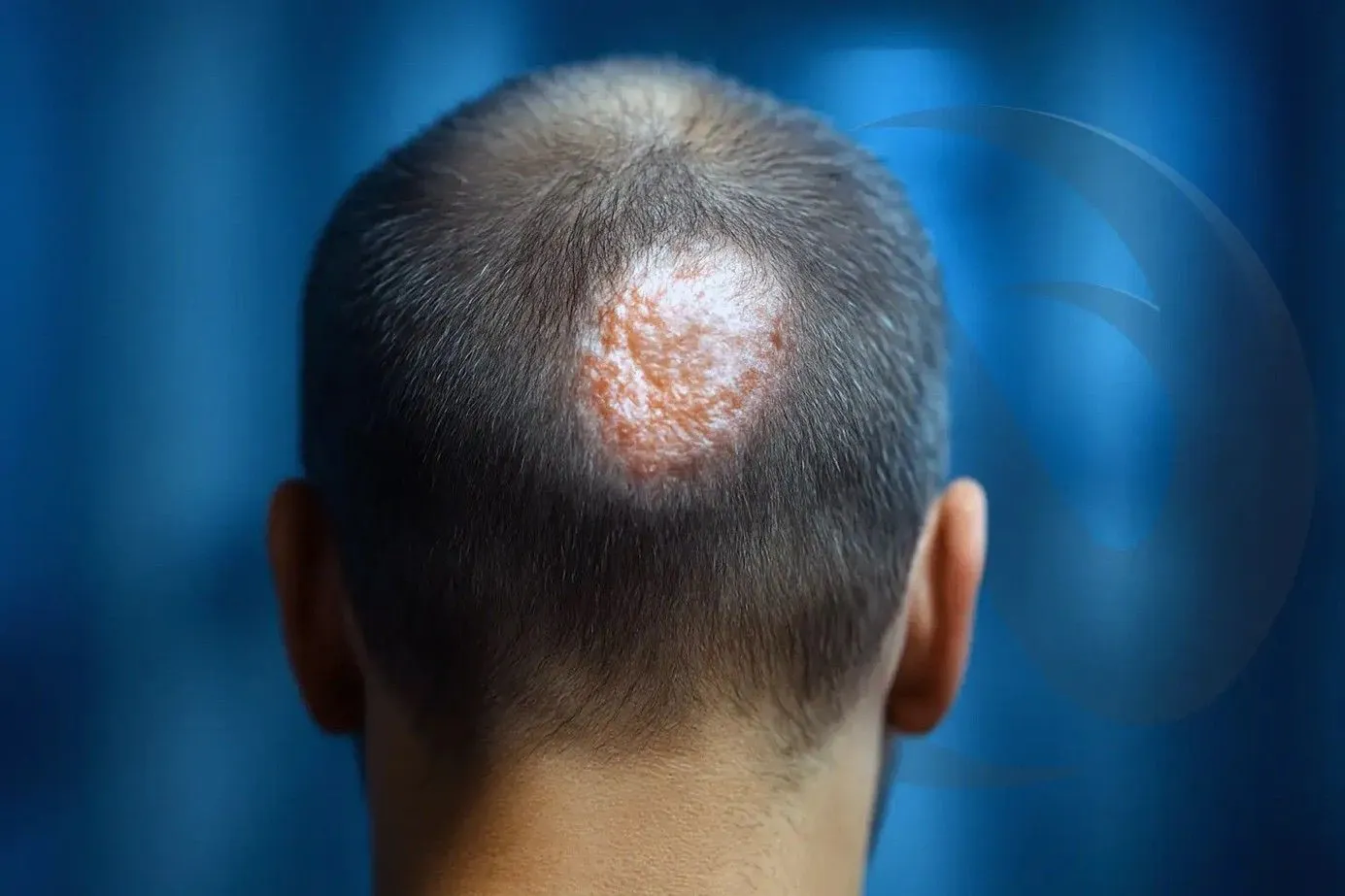
Scarring alopecias are a group of inflammatory scalp diseases that cause irreversible destruction of the hair follicle, which is replaced by scar tissue. Unlike non-scarring alopecias, hair cannot grow back on its own once the follicle has been destroyed, which is why early diagnosis and prompt specialist care are so important.
Symptoms
- Areas of permanent hair loss, often well defined
- Reduced or absent follicular openings
- Appearance of the scalp: Smooth, shiny or atrophic Sometimes redness, scaling, crusts
- Smooth, shiny or atrophic
- Sometimes redness, scaling, crusts
- Possible associated sensations: Burning Pain Itching
- Burning
- Pain
- Itching
- Gradual progression or flare-ups
- Localised or extensive involvement depending on the clinical form
Causes
- Autoimmune inflammatory diseases
- Chronic or recurrent infections
- Inflammatory follicular disorders
- Genetic and hormonal factors (depending on the form)
- Lichen planopilaris
- Frontal fibrosing alopecia
- Folliculitis decalvans
- Chronic cutaneous lupus
- Pseudopelade of Brocq
Diagnosis
- Diagnosis relies on a thorough specialist assessment
- Expert clinical dermatological examination
- Trichoscopy (absence of follicular openings, signs of inflammation)
- Standardised follow-up photographs
- Scalp biopsy (often essential)
- Targeted blood tests depending on the suspected diagnosis
Treatments
- Topical or systemic corticosteroids depending on severity
- Topical or systemic immunomodulators
- Targeted antibiotics in certain infectious forms
- Prolonged long-term treatment with regular monitoring
- Medical LED therapy (adjunctive anti-inflammatory effect)
- Targeted local injections
- PRP for the scalp (only outside the active inflammatory phase)
- Personalised stabilisation protocols
- halt the inflammatory process
- preserve follicles that are still viable
Management
Specialist dermatology consultation dedicated to the scalp
Precise, documented diagnosis
Prompt start of appropriate treatment
Regular long-term follow-up
Medical coordination if there is an associated systemic disease