

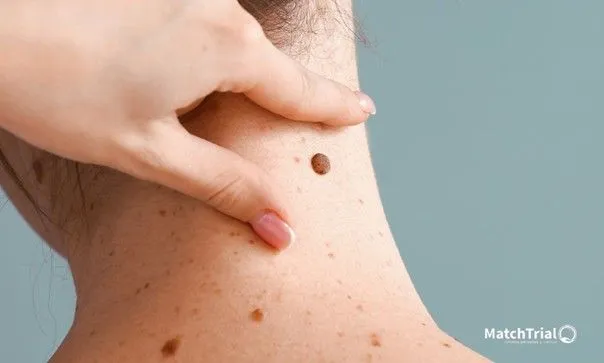
Introduction
These patients need close dermatological monitoring, enhanced prevention and early treatment of any suspicious lesion.
Symptoms
- Rapid appearance of multiple skin lesions
- Accelerated growth of existing lesions
- Inflamed, crusted or ulcerated lesions
- Frequent bleeding
- Mainly affects sun-exposed areas
- Rapid recurrence after treatment
- Possible lymph node involvement in advanced forms
Causes
- Reduced immune surveillance
- Cumulative cancer-causing effect of UV light
- Infection with oncogenic viruses (particularly HPV)
- Duration and intensity of immunosuppression
- Solid organ transplant (heart, kidney, liver, etc.)
- Bone marrow transplant
- Long-term immunosuppressive treatment
- Blood disorders
- Uncontrolled HIV
Diagnosis
- Full, regular skin examination
- Systematic dermoscopy
- Prompt biopsy of any suspicious lesion
- Follow-up photographs to monitor changes
- Lymph node assessment if needed
- Coordination with the referring teams (transplant specialists, etc.)
Treatments
- Early surgical excision
- Field treatment of sun-damaged skin (for multiple lesions)
- Radiotherapy in selected situations
- Adjustment of immunosuppression in consultation with the medical team
- Photodynamic therapy (useful for multiple lesions)
- Selected dermatological lasers
- Medical LED therapy to support healing and reduce inflammation
- prompt, comprehensive and adapted to the individual patient
Management
Close, scheduled dermatological follow-up
Teaching patients to examine their own skin
Enhanced sun protection is essential
Ongoing multidisciplinary coordination