

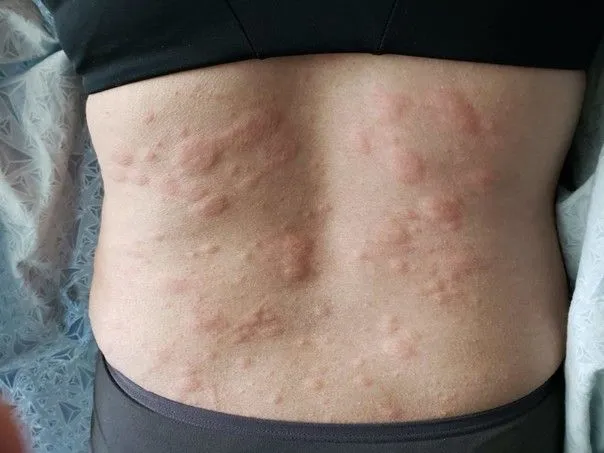
Introduction
They are caused by a sudden release of inflammatory mediators, particularly histamine, and can range from isolated skin symptoms to severe generalised reactions. They require urgent diagnosis and sometimes urgent treatment.
Symptoms
- Acute generalised urticaria (hives)
- Intense itching
- Angio-oedema (lips, eyelids, face, tongue)
- Widespread redness, feeling of warmth
- Difficulty breathing, bronchospasm
- Feeling faint, low blood pressure
- In severe forms: anaphylactic reaction
Causes
- Prior sensitisation to the medicine
- Rapid release of histamine on re-exposure
- Reactions sometimes on what appears to be the first dose (previous unnoticed sensitisation)
- Antibiotics (beta-lactams above all)
- Non-steroidal anti-inflammatory drugs
- Anaesthetics
- Contrast agents
- Neuromuscular blocking agents (curare-like drugs) and injectable medicines
Diagnosis
- Detailed history (medicine, timing, recurrence)
- Exact description of the symptoms
- Analysis of the timeline
- Specialist allergy tests carried out some time after the acute episode: Specific skin tests Targeted blood tests Controlled challenge tests if indicated
- Specific skin tests
- Targeted blood tests
- Controlled challenge tests if indicated
Treatments
- Immediate and permanent discontinuation of the suspected medicine
- Antihistamines as first-line treatment
- Systemic corticosteroids if necessary
- Adrenaline auto-injector for severe reactions
- Medical monitoring or hospital admission depending on the clinical picture
Management
Identify precisely which medicine is responsible
Confirm the allergic mechanism
Avoid any dangerous re-exposure
Offer safe alternative treatments
Provide clear, official medical documentation