

Introduction
Early care helps limit the risks and supports the child and family safely.
Symptoms
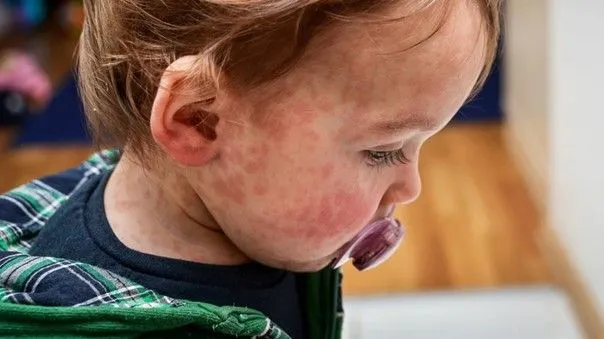
- Skin redness, hives, worsening eczema
- Swelling of the lips, eyelids or face
- Vomiting, diarrhoea, abdominal pain
- Refusing food, crying regularly after meals
- Cough, wheezing, difficulty breathing
- Feeling faint, pallor
- In severe forms: anaphylactic reaction
Causes
- IgE-mediated immune reaction
- Immature digestive and immune systems
- Family history of atopy (eczema, asthma, allergic rhinitis)
- Introduction of certain foods in infants
- Cross-reactions (less common in young children)
Diagnosis
- Detailed history from the parents
- Analysis of the timing between eating and symptoms
- Clinical examination of the child
- Age-appropriate skin prick tests
- Specific IgE testing
- Oral food challenges if needed, carried out in a safe medical setting
Treatments
- Targeted avoidance of the food responsible
- Suitable nutritional substitutes (growth, balanced diet)
- Treatment of acute reactions (antihistamines, corticosteroids)
- Prescription of an adrenaline auto-injector if there is a risk of severe reaction
- Information and training for parents and carers (nursery, school)
- adrenaline auto-injector
Management
Confirm or rule out a food allergy
Avoid unnecessary exclusion diets
Ensure healthy growth
Organise follow-up adapted to the child as they grow