

Introduction
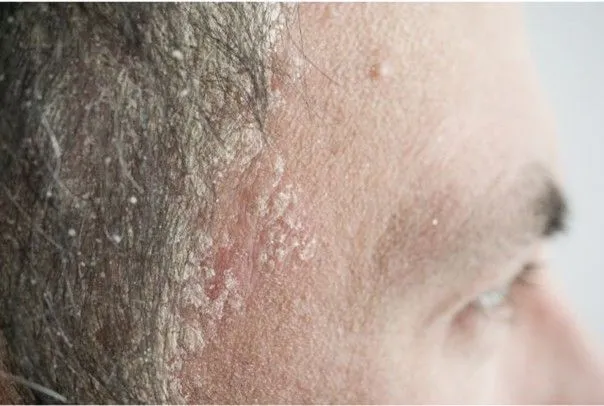
Scalp psoriasis is a chronic inflammatory disease of immune origin. It causes red patches covered with thick scales, which can be very visible and uncomfortable. It may affect the scalp alone or be part of more widespread skin psoriasis. Although it is not contagious, it can have a significant cosmetic, functional and psychological impact, which warrants specialist dermatological care.
Symptoms
- Well-defined red (erythematous) patches
- Thick, whitish or silvery scales
- Frequent itching, sometimes intense
- Burning or tight sensation
- Possible spread to: the hairline (‘helmet’ pattern) behind the ears the nape of the neck
- the hairline (‘helmet’ pattern)
- behind the ears
- the nape of the neck
- Hair usually preserved
- Possible reactive hair loss (reversible)
Causes
- Genetic predisposition
- Psychological stress
- Infections (particularly ear, nose and throat)
- Tiredness, overwork
- Certain medicines
- Alcohol, smoking
Diagnosis
- The diagnosis is usually clinical: Dermatological examination of the scalp Assessment of the appearance of the patches and scales Looking for other affected areas: elbows, knees nails Ruling out other diagnoses: seborrhoeic dermatitis scalp ringworm
- Dermatological examination of the scalp
- Assessment of the appearance of the patches and scales
- Looking for other affected areas: elbows, knees nails
- elbows, knees
- nails
- Ruling out other diagnoses: seborrhoeic dermatitis scalp ringworm
- seborrhoeic dermatitis
- tinea capitis (scalp ringworm)
- Biopsy only exceptionally, if there is doubt
Treatments
- Topical corticosteroids suited to the scalp
- Vitamin D analogues
- Targeted topical combinations
- Keratolytic (scale-removing) shampoos
- Systemic treatments for severe or extensive forms
- Regular hair care routines
- Avoiding irritating products
- Managing triggers
- Medical LED therapy (anti-inflammatory effect)
- Targeted phototherapy in some cases
- Personalised combined protocols
- control the inflammation
- reduce scaling
- make flare-ups less frequent
Management
Specialist dermatology consultation
Assessment of severity and functional impact
A personalised treatment protocol
Regular follow-up to adjust treatment
A long-term, holistic approach