

Introduction
Flare-ups are therefore predictable, unlike chronic spontaneous urticaria. This form may occur on its own or alongside another type of chronic urticaria.
Symptoms
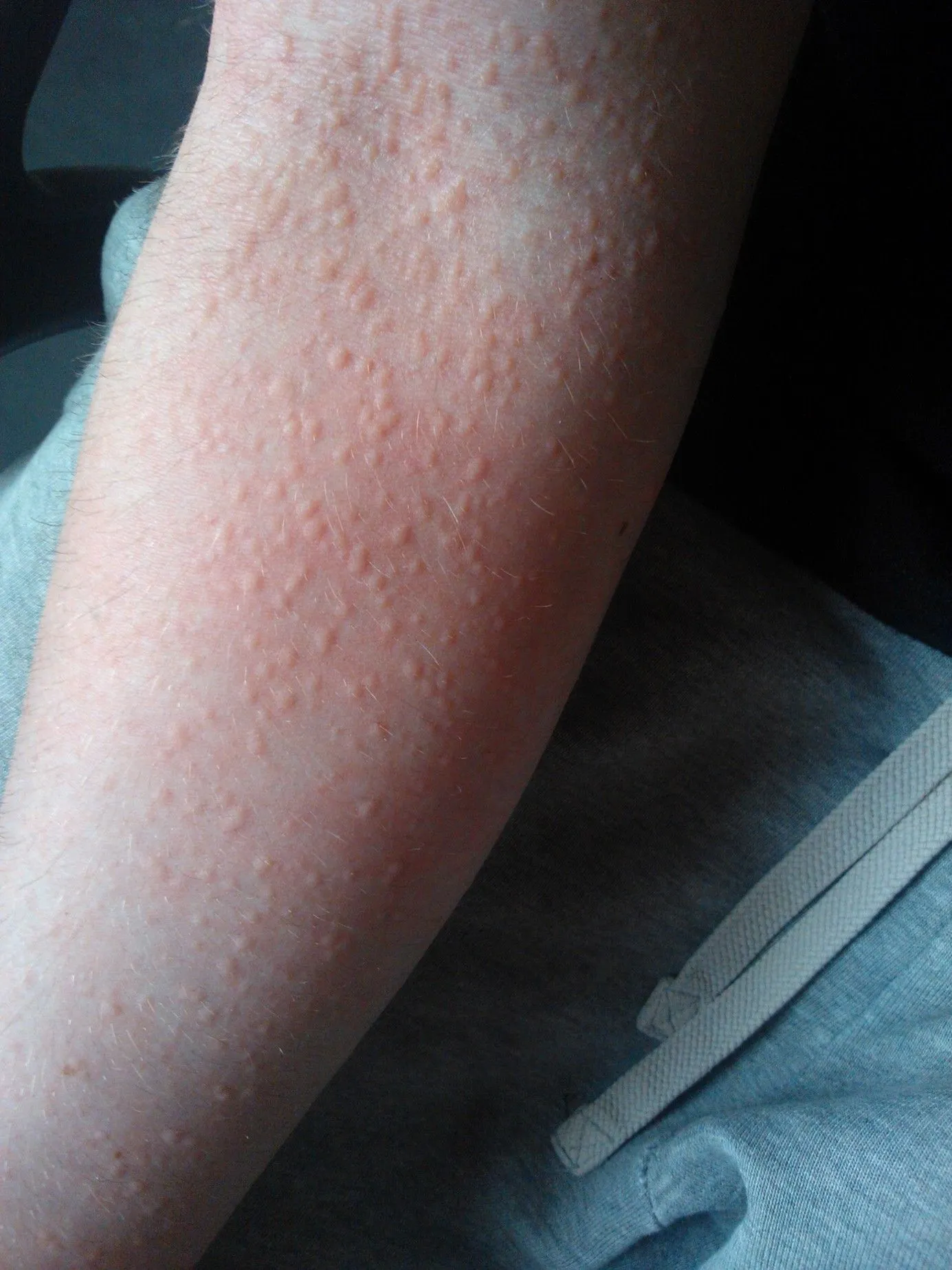
- Raised, well-defined red wheals
- Itching, tingling or a burning sensation
- Appears only on the area exposed to the trigger
- Clears on its own in under 24 hours
- Reappears every time the same trigger is encountered
- Angio-oedema possible in some forms
Causes
- Cold (air, water, cold food)
- Pressure (tight clothing, carrying loads, sitting for long periods)
- Heat
- Physical exertion
- Emotional stress
- Vibration or friction (rarer forms)
Diagnosis
- Targeted questioning about triggers
- Reproducibility of symptoms
- Skin examination
- Simple challenge tests if necessary (cold, pressure, exercise), carried out in a safe medical setting
Treatments
- Non-sedating antihistamines (first-line treatment)
- Gradual dose adjustment according to response
- Avoiding or limiting triggers where possible
- Protective measures (suitable clothing, gradual warm-up)
- Specialist treatments for resistant forms
- symptom control
Management
Identify precisely which type of inducible urticaria you have
Avoid unnecessary tests
Tailor treatment to your lifestyle
Improve your quality of life in the long term