

Introduction
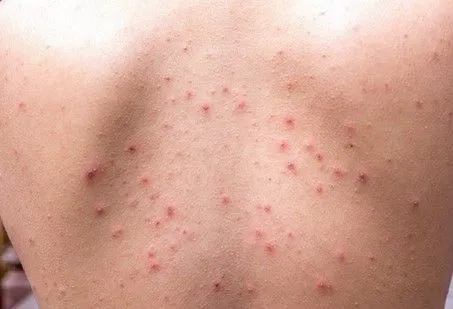
It is characterised by a widespread blistering rash that appears in successive crops.
Symptoms
- Moderate to high fever
- Tiredness, feeling generally unwell
- Widespread itchy rash
- Blisters filled with clear fluid
- Typical progression of the lesions: macules → papules → blisters → crusts
- Lesions at different stages at the same time
- Scalp and mucous membranes may be affected
- Intense itching that encourages scratching
Causes
- Infection with the varicella-zoster virus
- Transmission
- airborne (droplets) through direct contact with the lesions
- airborne (droplets)
- through direct contact with the lesions
- Incubation
- 10 to 21 days
- Highly contagious from 48 hours before the rash appears
- Higher risk of severe forms in adults and immunocompromised people
Diagnosis
- Diagnosis is essentially clinical
- Characteristic appearance of the polymorphic rash
- No further tests needed routinely
- Viral PCR possible if in doubt or in atypical forms
- Differential diagnosis with: other viral rashes disseminated herpes drug reactions
- other viral rashes
- disseminated herpes
- drug reactions
Treatments
- Fever-reducing medicines (not aspirin)
- Antihistamines if itching is severe
- Gentle antiseptic skin care
- Oral or IV aciclovir in at-risk patients
- adults immunocompromised patients complications
- adults
- immunocompromised patients
- complications
- Short nails to reduce secondary infection
- Avoiding scratching
- Isolation during the contagious phase
- No specific dermatological technology indicated
- Clinical follow-up adapted to the patient
Management
Dermatological or paediatric care
Closer monitoring in adults and at-risk patients
Prevention of skin complications and scarring
Preventive vaccination recommended for certain non-immune people