

Introduction
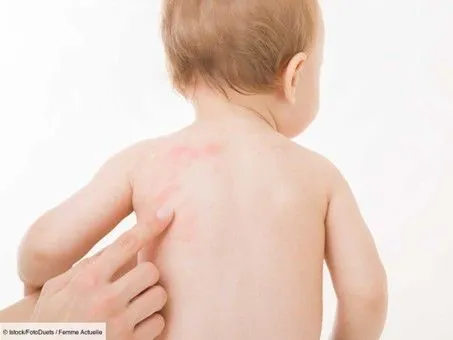
It is characterised by a sudden high fever followed, once the fever has gone, by a temporary skin rash. It usually resolves on its own.
Symptoms
- Sudden high fever (often > 39 °C) lasting 3 to 5 days
- Child generally remains relatively well despite the fever
- Fever drops suddenly
- A pink maculopapular rash then appears
- Rash mainly on the trunk, then the neck and limbs
- Lesions are not itchy
- Possible irritability
- Possible febrile seizures (rare)
Causes
- Infection with HHV-6 (mainly) or HHV-7
- Spread through respiratory droplets or saliva
- Very common infection before the age of 2
- Incubation period
- 5 to 15 days
- Contagious mainly during the feverish phase
Diagnosis
- Diagnosis is essentially clinical
- Typical pattern: high fever followed by a rash as the fever falls
- No further tests needed routinely
- Serology or PCR reserved for atypical situations
- Differential diagnosis with: Measles Rubella Other viral rashes
- Measles
- Rubella
- Other viral rashes
Treatments
- Fever-reducing medicines suited to the child’s age
- Adequate fluid intake
- Clinical monitoring
- Rest
- Temperature monitoring
- Information and reassurance for parents
- No specific dermatological technology indicated
- Simple clinical follow-up
Management
Paediatric or dermatological care
Monitoring of infants at risk of febrile seizures
Clear information on the benign course
No strict isolation needed once the fever has gone