

Introduction
Unlike acute urticaria, it is usually not linked to an identifiable allergy and can have a major impact on quality of life.
Symptoms
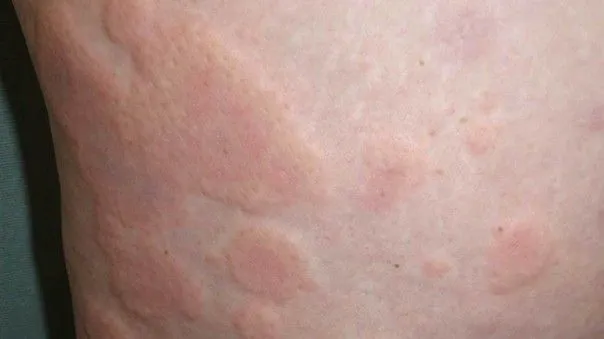
- Raised red or pink patches
- Itching, often intense
- Short-lived lesions that disappear within 24 hours
- Reappearing daily or almost daily
- Possible associated angio-oedema (lips, eyelids, hands)
- Often worse at night or at times of stress
Causes
- Inappropriate activation of mast cells
- Autoimmune mechanisms
- Excessive release of histamine
- Aggravating factors (stress, intercurrent infections, NSAIDs)
Diagnosis
- Detailed history (duration > 6 weeks)
- Analysis of the pattern and frequency of flare-ups
- Search for aggravating factors
- Skin examination
- Targeted tests only if there are specific pointers
Treatments
- Non-sedating antihistamines (first-line treatment)
- Gradual increase in dose if needed
- Avoidance of known aggravating factors
- Short courses of corticosteroids only for severe flare-ups
- Specialist treatments for resistant forms
- lasting control of symptoms
Management
Confirm the diagnosis
Avoid unnecessary investigations
Adapt long-term treatment
Significantly improve your quality of life
Provide regular, personalised follow-up