

Introduction
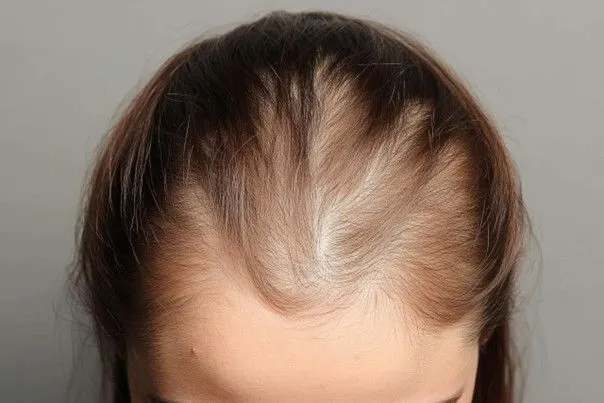
Chronic hair loss, or chronic telogen effluvium, is persistent diffuse hair shedding that has been going on for more than 6 months, often fluctuating but long-lasting. Unlike acute effluvium, the shedding is less dramatic, but its prolonged nature leads to a gradual reduction in hair density and considerable psychological strain. The follicle is not destroyed, which means the condition is functional and potentially reversible, provided it is properly managed.
Symptoms
- Diffuse hair shedding that continues over time (> 6 months)
- A feeling that the hair has lost volume
- Finer, weaker hair
- Shedding visible when brushing and washing, but moderate day to day
- Alternating phases of worsening and improvement
- Scalp clinically normal
- Frequent anxiety about how long the shedding has lasted
Causes
- Chronic stress or prolonged overwork
- Hormonal disorders (thyroid, perimenopause, prolonged postpartum)
- Persistent nutritional deficiencies (iron, zinc, vitamins)
- Repeated or unbalanced diets
- Chronic inflammatory or systemic diseases
- Long-term medication
- Anxious disposition or prolonged fatigue
Diagnosis
- The diagnosis is based on: Detailed history of how the problem has developed over time Specialist dermatological examination Moderately and diffusely positive pull test Trichoscopy (increased percentage of hairs in the telogen phase) Follow-up photographs
- Detailed history of how the problem has developed over time
- Specialist dermatological examination
- Moderately and diffusely positive pull test
- Trichoscopy (increased percentage of hairs in the telogen phase)
- Follow-up photographs
- Targeted blood tests, repeated if necessary
Treatments
- Identifying and correcting triggering factors
- Correcting documented deficiencies
- Adjusting medication where possible
- Overall support (lifestyle, stress)
- Topical minoxidil in certain situations
- Targeted, monitored nutritional supplements
- Gentle, regular hair care suited to your hair
- Medical LED therapy (stimulation of the hair cycle)
- Scalp microneedling (gentle protocols)
- PRP for the scalp in selected cases
- Personalised hair support programmes
- correct the causes
- support the hair cycle
- reassure the patient
Management
Specialist dermatology consultation
Comprehensive, individual assessment
A realistic treatment plan
Regular follow-up over several months
Gradual adjustment of treatment