

Introduction
Most are benign, but some forms can be serious and even life-threatening, which is why they need to be recognised quickly and managed by a specialist.
Symptoms
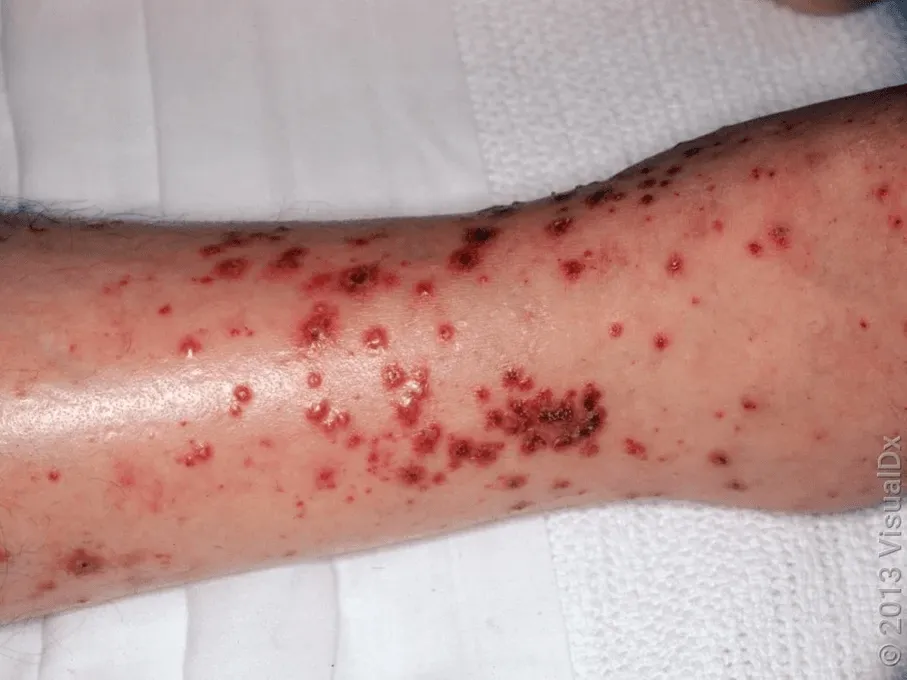
- Widespread maculopapular rash
- Drug-induced urticaria
- Itching, on its own or with other signs
- Eczema-like patches
- Generalised redness (erythroderma)
- Blisters or skin detachment (severe forms)
- Involvement of the mucous membranes (mouth, eyes, genitals)
- Associated fever or feeling generally unwell
Causes
- Immediate allergic reactions (IgE-mediated)
- Delayed allergic reactions (cell-mediated immunity)
- Non-allergic reactions (toxic, pharmacological)
- Antibiotics
- Anti-inflammatories
- Anti-epileptics
- Allopurinol
- Topical medicines
- Certain long-term treatments
Diagnosis
- Detailed history (timeline, drugs, doses)
- Review of all recently taken medicines
- Thorough skin examination
- Assessment of severity (warning signs)
- Specialist allergy tests once the reaction has settled: Drug patch tests Delayed-reading skin tests Controlled challenge tests (selected cases)
- Drug patch tests
- Delayed-reading skin tests
- Controlled challenge tests (selected cases)
Treatments
- Immediate withdrawal of the suspected medicine
- Antihistamines for itching or urticaria
- Topical or systemic corticosteroids depending on extent
- Hospital admission for severe forms
- Close clinical monitoring
- Identification of safe alternative treatments
Management
To distinguish a benign reaction from a serious one
Identify precisely which medicine is responsible
To avoid dangerous re-exposure
Make future prescriptions safe
To provide an official medical report