

Introduction
Cutaneous candidiasis is a superficial fungal infection most often caused by Candida albicans, a yeast naturally present on the skin and mucous membranes. It occurs when the skin’s balance is disrupted, allowing the fungus to overgrow. Skin folds are the areas most often affected, but any area of skin can be involved.
Symptoms
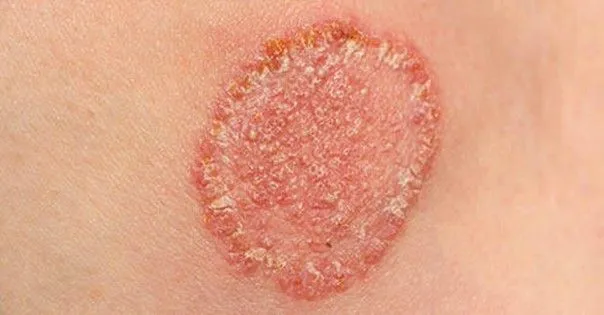
- Well-defined red patches
- Shiny, moist-looking skin
- Burning sensation or pain
- Variable itching
- Possible superficial cracks
- Typical satellite lesions around the edges
- Possible oozing in the skin folds
- Sometimes an unpleasant smell
Causes
- Overgrowth of Candida
- Contributing factors
- Moisture and maceration Excessive sweating Diabetes Obesity Pregnancy Weakened immune system Prolonged antibiotic treatment
- Moisture and maceration
- Excessive sweating
- Diabetes
- Obesity
- Pregnancy
- Weakened immune system
- Prolonged antibiotic treatment
- Imbalance of the skin flora
Diagnosis
- Diagnosis is essentially clinical
- Typical appearance with satellite lesions
- Mycological sample in the case of: Diagnostic doubt Treatment failure Recurrent forms
- Diagnostic doubt
- Treatment failure
- Recurrent forms
- Differential diagnosis with: Bacterial intertrigo Inverse psoriasis Contact dermatitis
- Bacterial intertrigo
- Inverse psoriasis
- Contact dermatitis
Treatments
- Topical antifungals (azoles, polyenes)
- Applied once or twice a day
- Oral antifungals for extensive or recurrent forms
- Careful drying of the affected areas
- Reducing moisture and friction
- Loose, breathable clothing
- No specific device-based treatment
- Medical dermatological care
Management
Individualised dermatological care
Identifying and correcting contributing factors
Follow-up in case of frequent recurrences
Patient education on hygiene measures