

Introduction
Head lice infestation (pediculosis capitis) is a common parasitic infestation. It mainly affects children but can occur at any age, regardless of hygiene. Although benign, it often causes intense itching, discomfort and anxiety, which is why an accurate diagnosis and thorough treatment are needed to prevent it coming back.
Symptoms
- Intense itching of the scalp, especially at the back of the head and behind the ears
- Tingling or crawling sensation
- Scratch marks, crusts, sometimes secondary bacterial infection
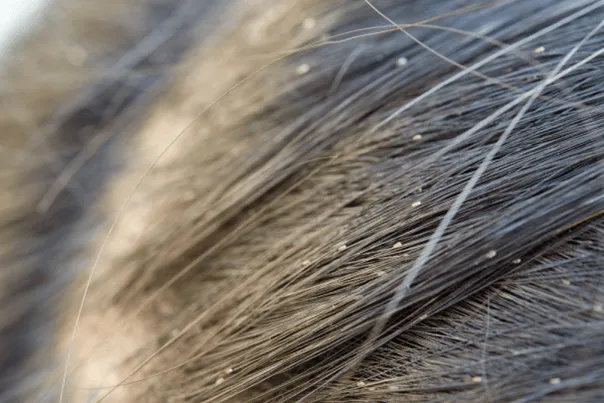
- Presence of: live lice nits (eggs) attached to the hair, close to the scalp
- live lice
- nits (eggs) attached to the hair, close to the scalp
- Sometimes reactive swollen lymph nodes in the neck
- Itching that may persist even after treatment (post-infestation itch)
Causes
- Head-to-head contact (main route)
- Sharing hats, helmets, scarves
- Bedding or personal items (less often)
Diagnosis
- Diagnosis is clinical: Careful inspection of the scalp Looking for live lice (more significant than nits alone) Using a fine-toothed comb on wet hair Distinguishing from: dandruff keratin debris seborrhoeic dermatitis
- Careful inspection of the scalp
- Looking for live lice (more significant than nits alone)
- Using a fine-toothed comb on wet hair
- Distinguishing from: dandruff keratin debris seborrhoeic dermatitis
- dandruff
- keratin debris
- seborrhoeic dermatitis
Treatments
- Suitable topical head lice treatments
- Repeat treatment according to the parasite’s life cycle
- Systematic wet combing
- Treatment of close contacts if needed
- Washing clothes, hats and bedding
- Disinfecting or isolating personal items
- Information and prevention for close contacts
- complete, thorough and shared by everyone involved
Management
Dermatology consultation for resistant forms
Checking that the lice have been completely eliminated
Treatment of any complications (secondary infection)
Personalised prevention advice
Dermatological care if treatment fails or the diagnosis is uncertain