

Introduction
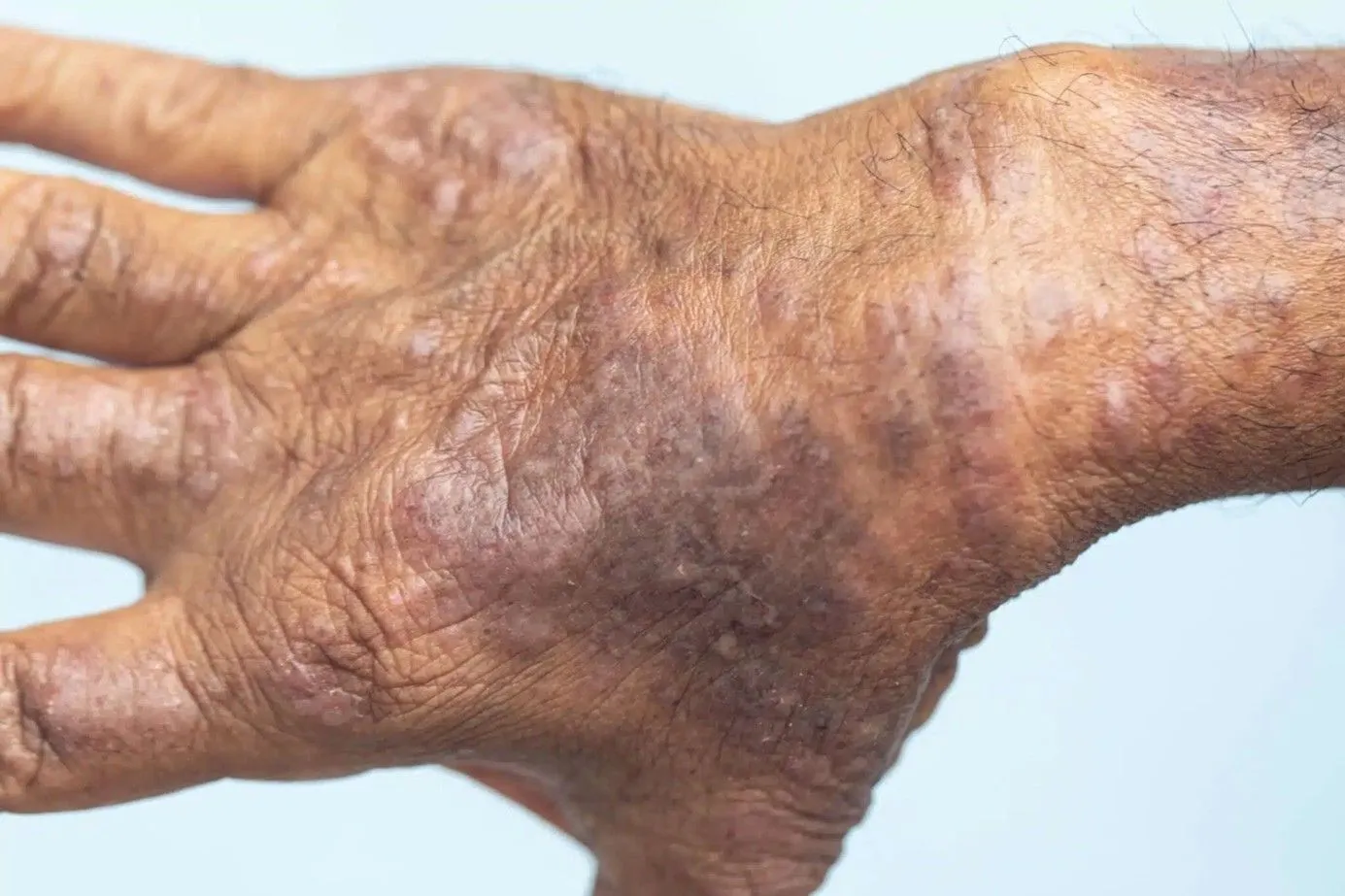
Post-inflammatory hyperpigmentation is the appearance of brown or dark patches on the skin after inflammation. It often occurs after acne, eczema, burns, skin injuries or certain dermatological procedures. Although benign, it can last a long time and be a significant cosmetic concern.
Symptoms
- Light to dark brown patches on a previously inflamed area
- Variable sites: face, back, chest, legs
- Flat pigmentation, not raised
- No pain or itching
- Intensity varies with skin type
- Long-lasting without treatment
Causes
- Inflammatory acne
- Eczema, dermatitis, psoriasis
- Skin injuries (scratches, burns, bites and stings)
- Harsh or unsuitable cosmetic procedures
- Sun exposure after inflammation
- Darker skin types at greater risk
Diagnosis
- Clinical skin examination
- Analysis of the preceding inflammation
- Assessment of the colour and depth of the pigmentation
- Wood’s lamp examination if needed
Treatments
- Medical topical depigmenting agents
- Topical retinoids
- Skin barrier repair care
- Pigment lasers suited to the skin type
- Superficial or medium-depth chemical peels
- Medical LED for an anti-inflammatory effect
- Targeted mesotherapy
- Medical IPL in selected indications
Management
Precise identification of the inflammatory cause
Gradual, personalised treatment
Strict daily sun protection
Regular dermatological follow-up