

Introduction
In most cases it clears up on its own.
Symptoms
- Mild fever
- Feeling generally unwell, tiredness
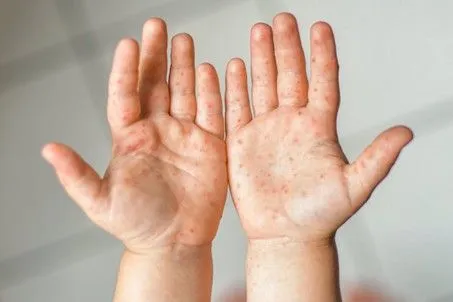
- Blisters or small red spots on the palms of the hands
- Similar spots on the soles of the feet
- Painful ulcers or blisters in the mouth
- Pain when swallowing
- Possible mild itching
- Irritability in children
- Possible later peeling of the fingers or nails
Causes
- Infection with enteroviruses (coxsackievirus A16, A6, EV71, etc.)
- Transmission
- By direct contact Through the respiratory route Via contaminated hands or objects
- By direct contact
- Through the respiratory route
- Via contaminated hands or objects
- Highly contagious in group settings (nurseries, schools)
- Incubation
- 3 to 7 days
Diagnosis
- Diagnosis is essentially clinical
- Suggestive epidemic context
- No further tests needed routinely
- Viral PCR reserved for atypical or complicated forms
- Differential diagnosis with: Chickenpox Herpes Isolated mouth ulcers (aphthous ulcers)
- Chickenpox
- Herpes
- Isolated mouth ulcers (aphthous ulcers)
Treatments
- Fever-reducing medicines if there is a fever
- Painkillers for mouth pain
- Soothing mouth rinses or gels
- Rest
- Plenty of fluids
- Cold or lukewarm food to limit pain
- Strict hygiene measures to limit spread
- No specific dermatological technology indicated
- Simple clinical follow-up
Management
Dermatological or paediatric care
Information and reassurance for parents or the patient
Monitoring of unusual forms in adults
Temporary exclusion from nursery, school or group settings during the acute phase