

Introduction
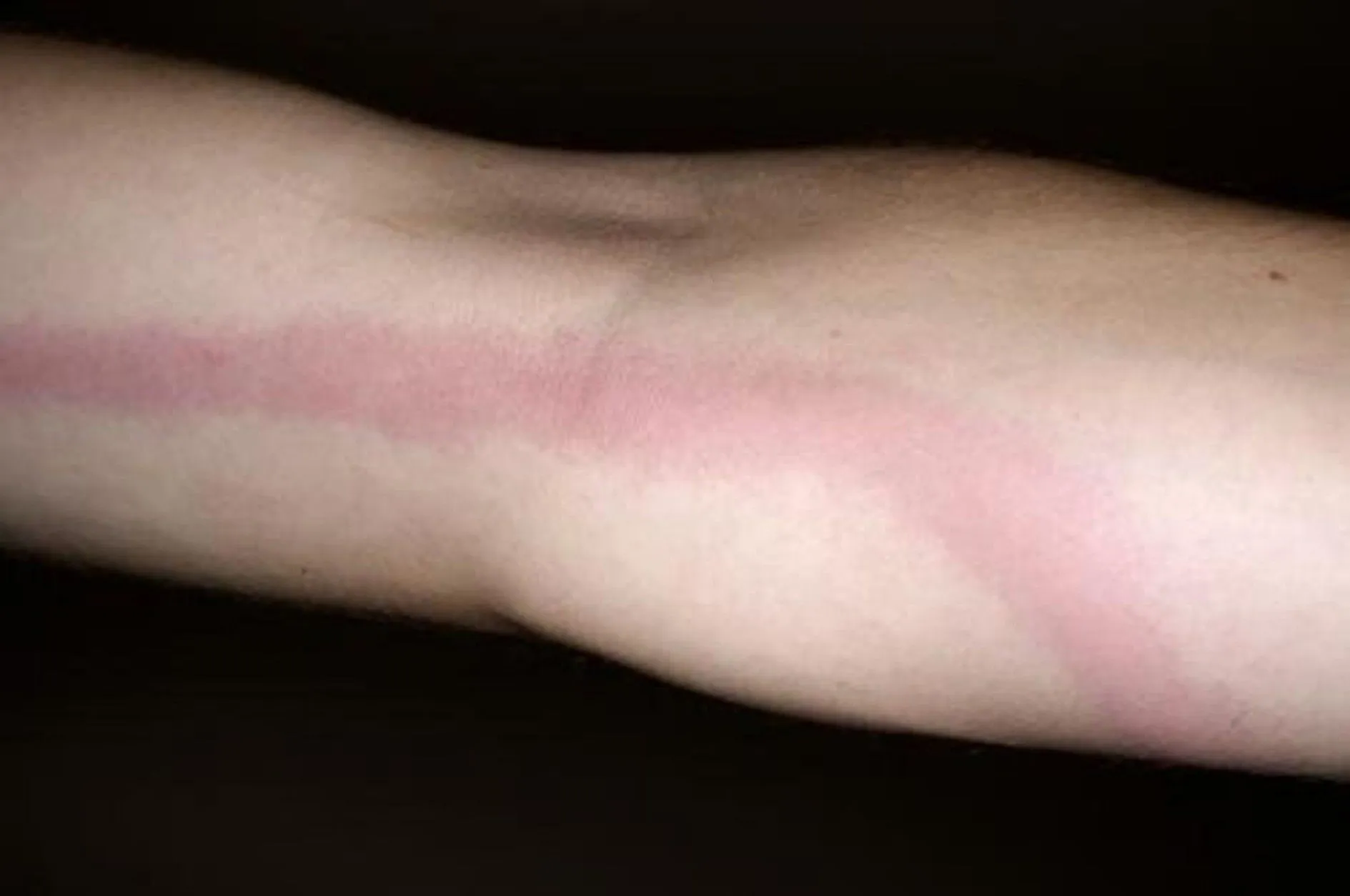
Bacterial lymphangitis is an acute infection of the lymphatic vessels, usually resulting from an existing skin infection. It is generally caused by streptococci and needs prompt medical attention, as it can progress to sepsis if not treated quickly. It mainly affects the legs or arms.
Symptoms
- Red streaks following the path of the lymphatic vessels
- Hot, painful redness
- Local swelling
- Pain at rest or when touched
- High fever with chills
- Feeling generally unwell
- Tender regional lymph nodes
- Rapid worsening without treatment
Causes
- Bacterial infection, mainly with streptococci
- Spread of an initial skin infection
- wound ulcer boil erysipelas
- wound
- ulcer
- boil
- erysipelas
- Skin entry point often identifiable
- Contributing factors
- weakened immune system diabetes circulatory disorders
- weakened immune system
- diabetes
- circulatory disorders
Diagnosis
- Diagnosis is essentially clinical
- Recognition of the characteristic inflamed streaks
- Possible blood tests: markers of inflammation
- Blood cultures if there is high fever
- Differential diagnosis with: thrombophlebitis bacterial cellulitis (dermohypodermitis) infectious cellulitis
- thrombophlebitis
- bacterial cellulitis (dermohypodermitis)
- infectious cellulitis
Treatments
- Amoxicillin or suitable penicillins
- Alternatives depending on allergy or severity
- macrolides clindamycin
- macrolides
- clindamycin
- Strict rest of the affected limb
- Elevation of the limb
- Painkillers and fever-reducing medicines
- Treatment of the entry point
- No specific device-based treatment
- Standard urgent medical care
- urgent
Management
Prompt medical care
Hospital admission if: significant general symptoms vulnerable patient
significant general symptoms
vulnerable patient
Close clinical monitoring
Prevention of recurrences by correcting contributing factors