

Introduction
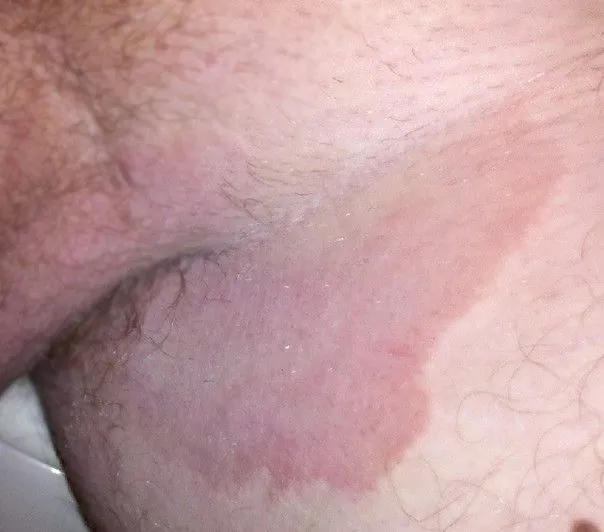
Tinea cruris (also known as jock itch or eczema marginatum of Hebra) is a fungal infection of the groin folds caused by dermatophytes. It is more common in men because sweating and moisture build-up are greater in this area. It may be encouraged by self-contamination from an infection of the feet.
Symptoms
- Itching (pruritus), often marked
- Involvement of the groin folds
- The scrotum is often spared (a distinctive sign that helps diagnosis)
Causes
- Infection with dermatophytes
- Contributing factors
- Excessive sweating and moist skin Obesity (encourages moisture build-up) Diabetes
- Excessive sweating and moist skin
- Obesity (encourages moisture build-up)
- Diabetes
- Transmission
- Frequent self-spread from the feet (athlete’s foot) Direct contact or via contaminated clothing
- Frequent self-spread from the feet (athlete’s foot)
- Direct contact or via contaminated clothing
Diagnosis
- Clinical diagnosis (sparing of the scrotum helps diagnosis)
- Mycological sample useful in case of doubt or treatment failure
- Differential diagnosis with candidiasis of the skin folds (especially in women)
Treatments
- Topical antifungals in most simple forms
- Oral treatment for extensive, chronic or recurrent forms
- Usual length of treatment
- 2 to 4 weeks
- Topical corticosteroids must not be used alone (they make the infection worse)
- Strict hygiene measures
- Treatment of associated fungal infections (feet)
Management
Individualised dermatological care
Identification and treatment of associated fungal infection sites
Patient education on hygiene measures
Follow-up until complete clinical cure