

Introduction
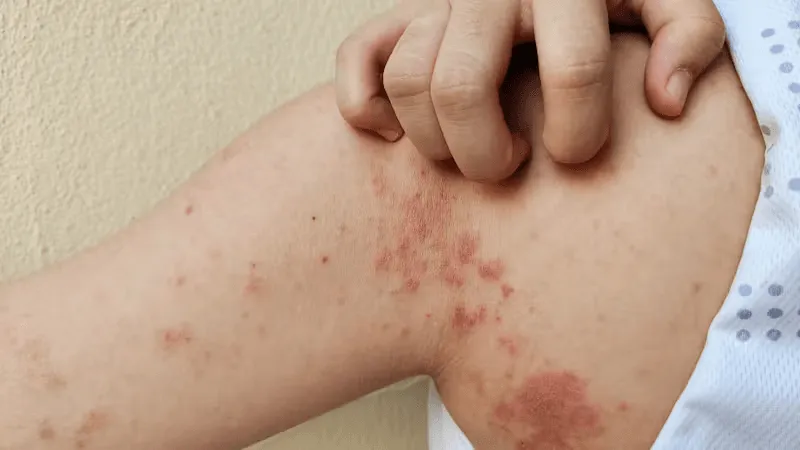
It may be localised or widespread, intermittent or chronic, and often occurs in people with an atopic background (eczema, urticaria, allergic rhinitis, asthma). The itch may come before skin lesions appear or remain isolated.
Symptoms
- Widespread or localised itching
- Intense itch, sometimes at night
- No skin lesions at first
- Scratch marks (excoriations)
- Temporary redness after scratching
- Worse with heat, stress or sweating
Causes
- Environmental allergens (pollen, house dust mites, animals)
- Food or drug allergies
- Release of histamine and other inflammatory mediators
- Atopic background
- Associated dry skin
- Aggravating factors
- stress, heat, alcohol
Diagnosis
- Detailed history (allergic background, triggers)
- Full skin examination
- Looking for associated lesions (eczema, urticaria)
- Targeted allergy tests if an allergy is suspected (skin prick tests, specific IgE)
- Ruling out other (non-allergic) causes of chronic itch
Treatments
- New-generation antihistamines
- Treatment of the underlying allergy
- Emollients to restore the skin barrier
- Topical corticosteroids if there are associated lesions
- Avoidance of identified allergens
- Lifestyle and dietary advice
Management
To identify the allergic origin of the itch
To rule out a non-allergic cause
To prevent progression to chronic lesions
To improve quality of life significantly